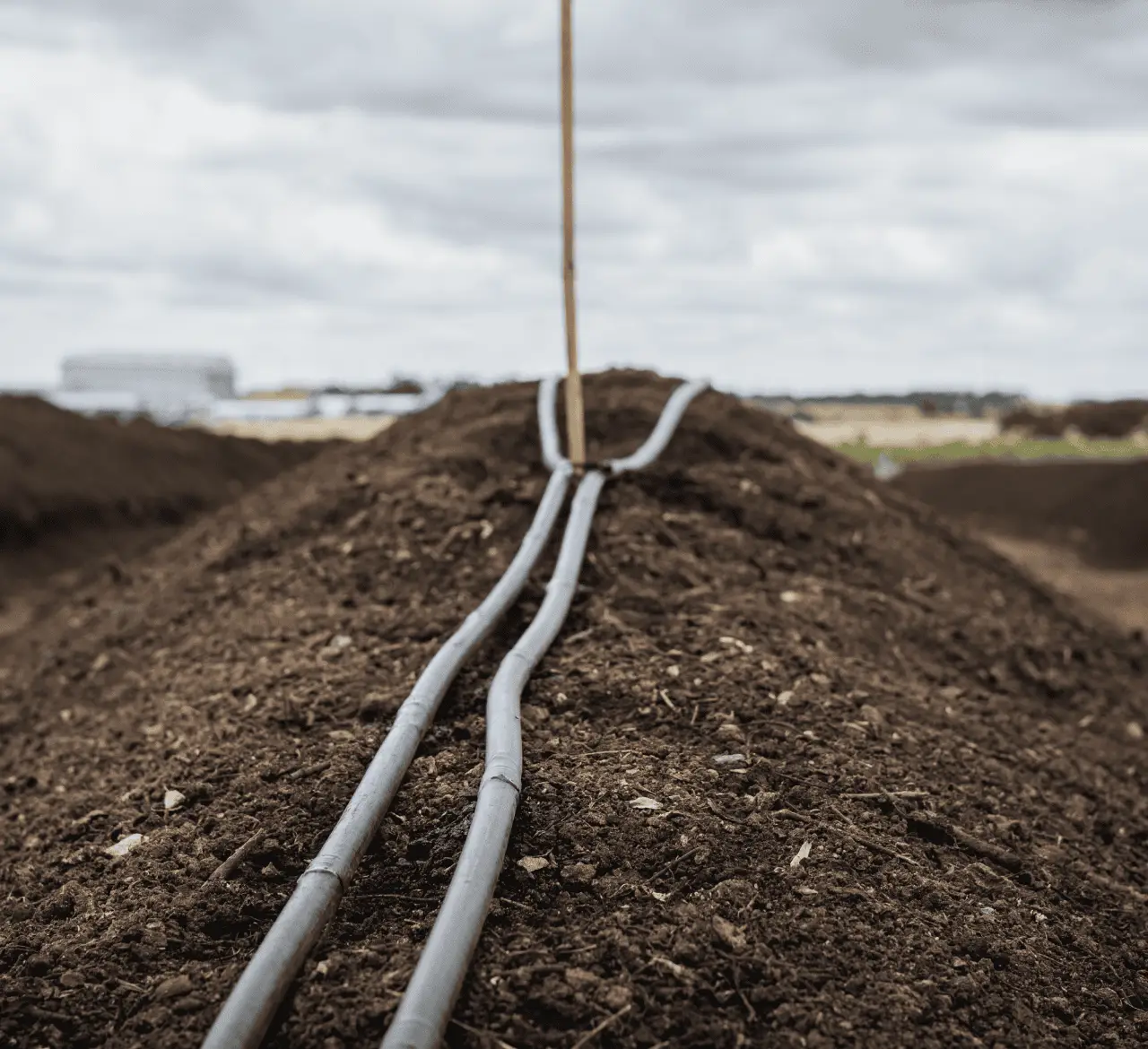
Olive pomace was the starting point of this project. As one of the main by-products of olive oil production, pomace represented a challenge for the entire sector, both in terms of its management and the environmental impact associated with its transport and treatment. At Figueirinha, we believed this challenge could become an opportunity.
This vision led to the creation of our composting unit. Instead of seeing pomace as waste, we began to view it as a valuable resource. Together with other by-products from the estate, such as grape pomace, leaves, pruning residues and almond shells, we give these materials a new life through the production of high-quality organic compost.
We believe that nurturing the land is investing in the future.
Our purpose
We promote a circular economy where nothing goes to waste, while contributing to more fertile soils and reducing our reliance on chemical fertilisers. We want to show that it is possible to produce in a more sustainable way, creating value for agriculture and the environment.
Rooted in tradition, inspired by progress, we keep our feet on the ground and our eyes on the future, because true sustainability is built through the consistency of our actions.
Drip Irrigation System
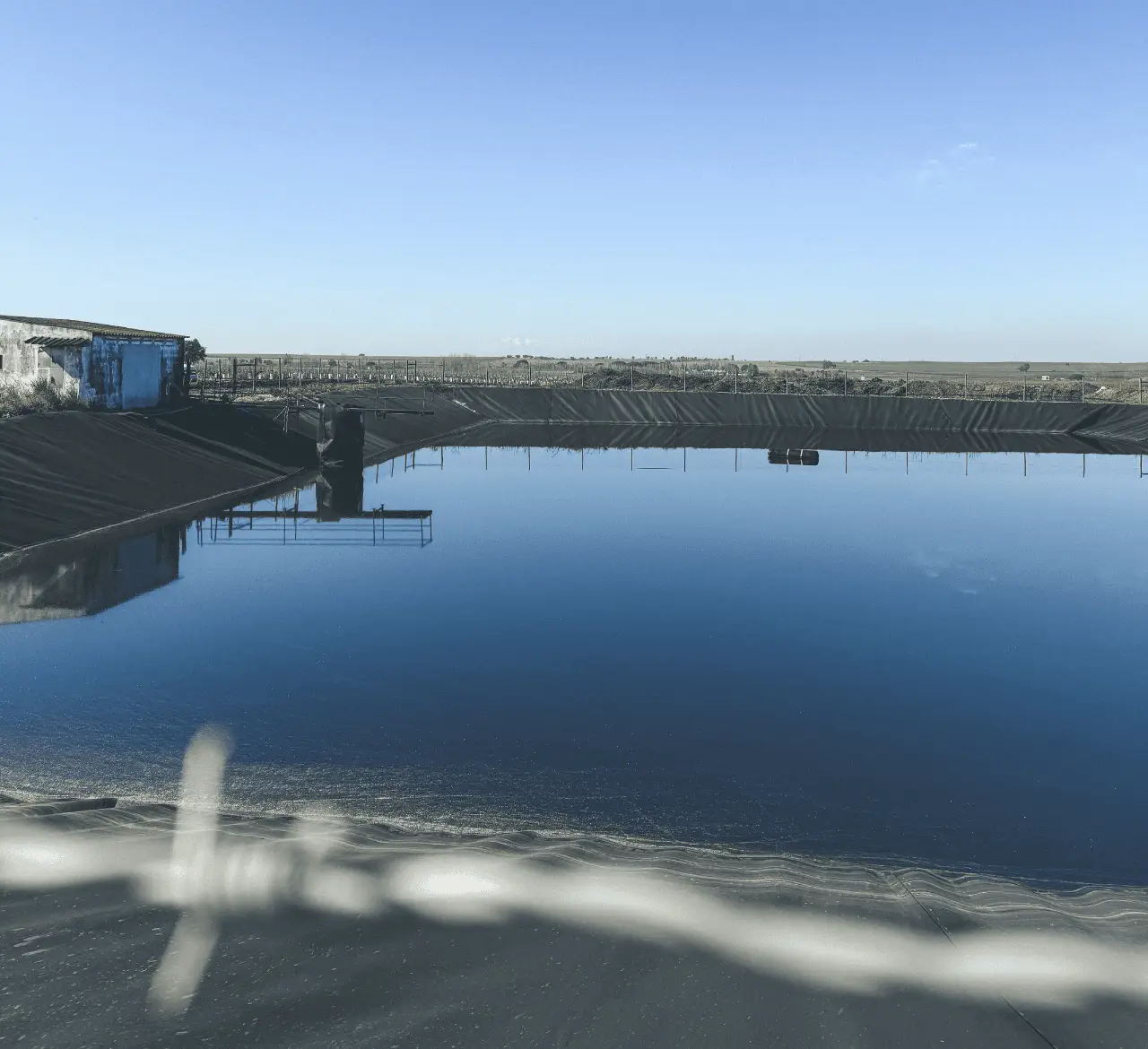
Circular Water Reuse
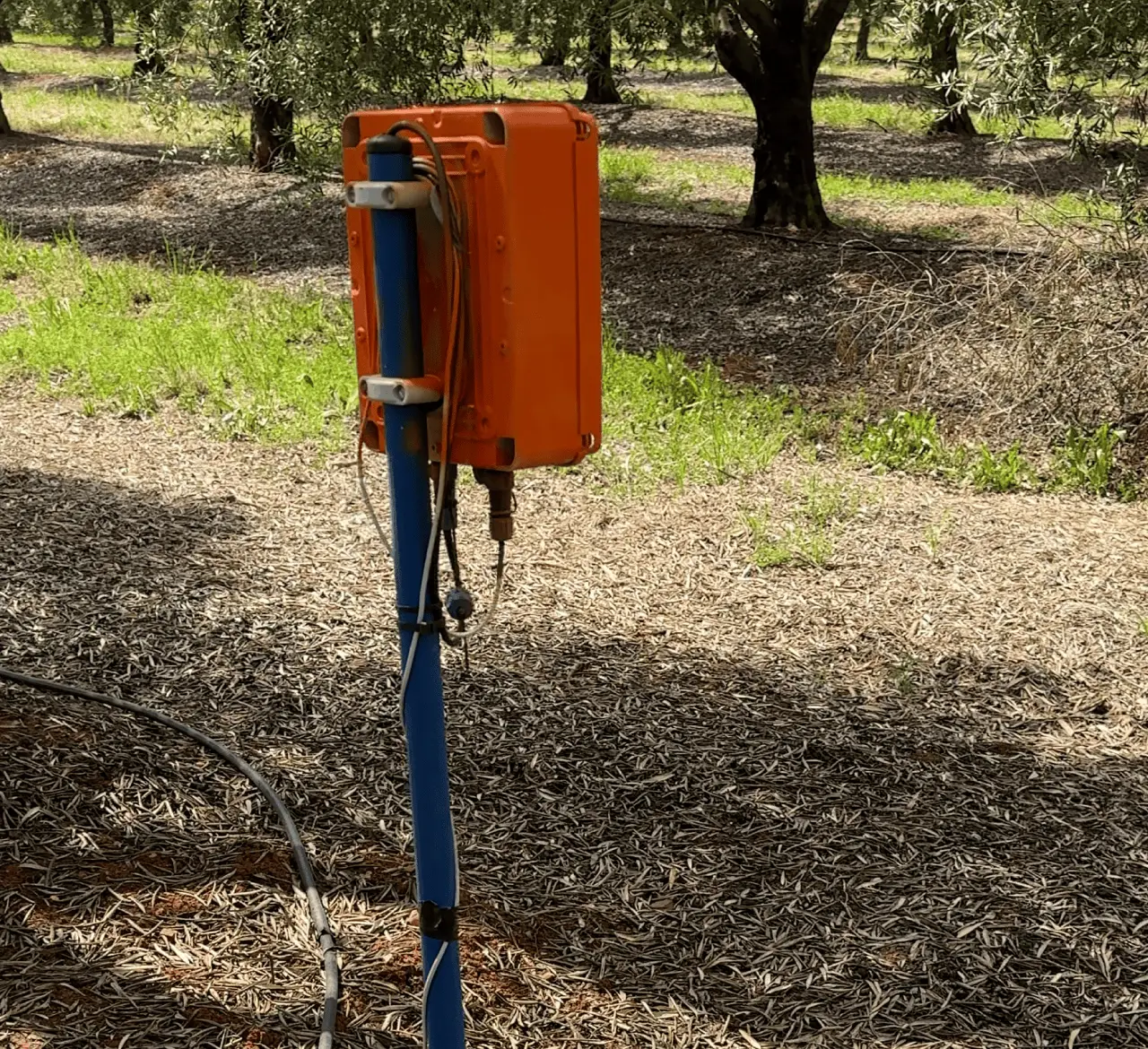
Soil Moisture Sensors
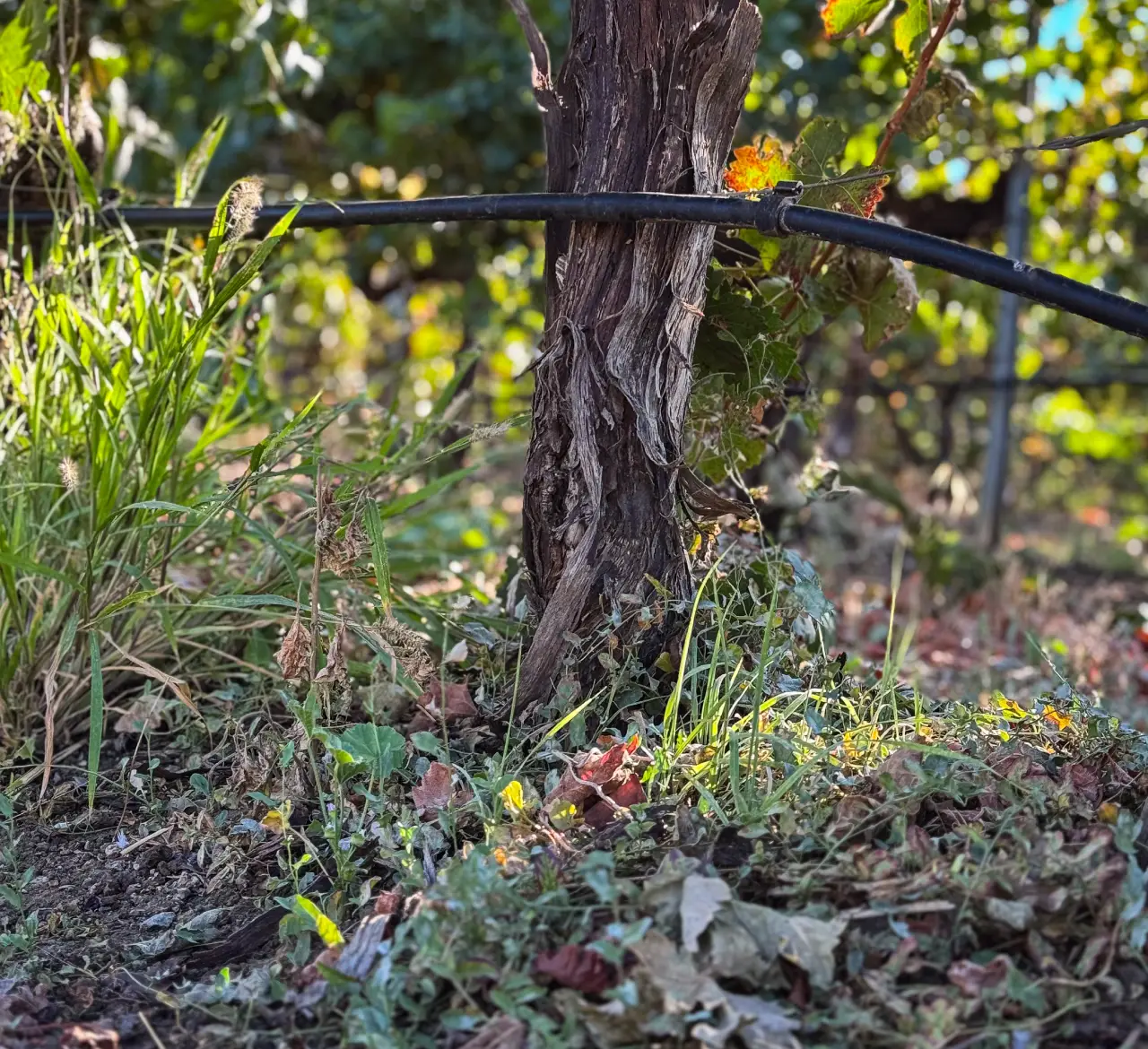
Water is applied directly to the plants’ root zone, reducing losses and waste. This system adapts irrigation to the actual needs of the crops, promoting a more efficient and sustainable use of water.
Water from the winery and olive mill is recovered and integrated into the composting process. This approach reduces the need for external resources and reinforces a circular economy model, where every resource is valued and reused.
Continuous monitoring of soil moisture allows us to understand the water requirements of crops in real time. This enables more precise irrigation management, reducing waste and promoting more efficient water use.
Drip Irrigation System
Water is applied directly to the plants’ root zone, reducing losses and waste. This system adapts irrigation to the actual needs of the crops, promoting a more efficient and sustainable use of water.
Circular Water Reuse
Water from the winery and olive mill is recovered and integrated into the composting process. This approach reduces the need for external resources and reinforces a circular economy model, where every resource is valued and reused.
Soil Moisture Sensors
Continuous monitoring of soil moisture allows us to understand the water requirements of crops in real time. This enables more precise irrigation management, reducing waste and promoting more efficient water use.
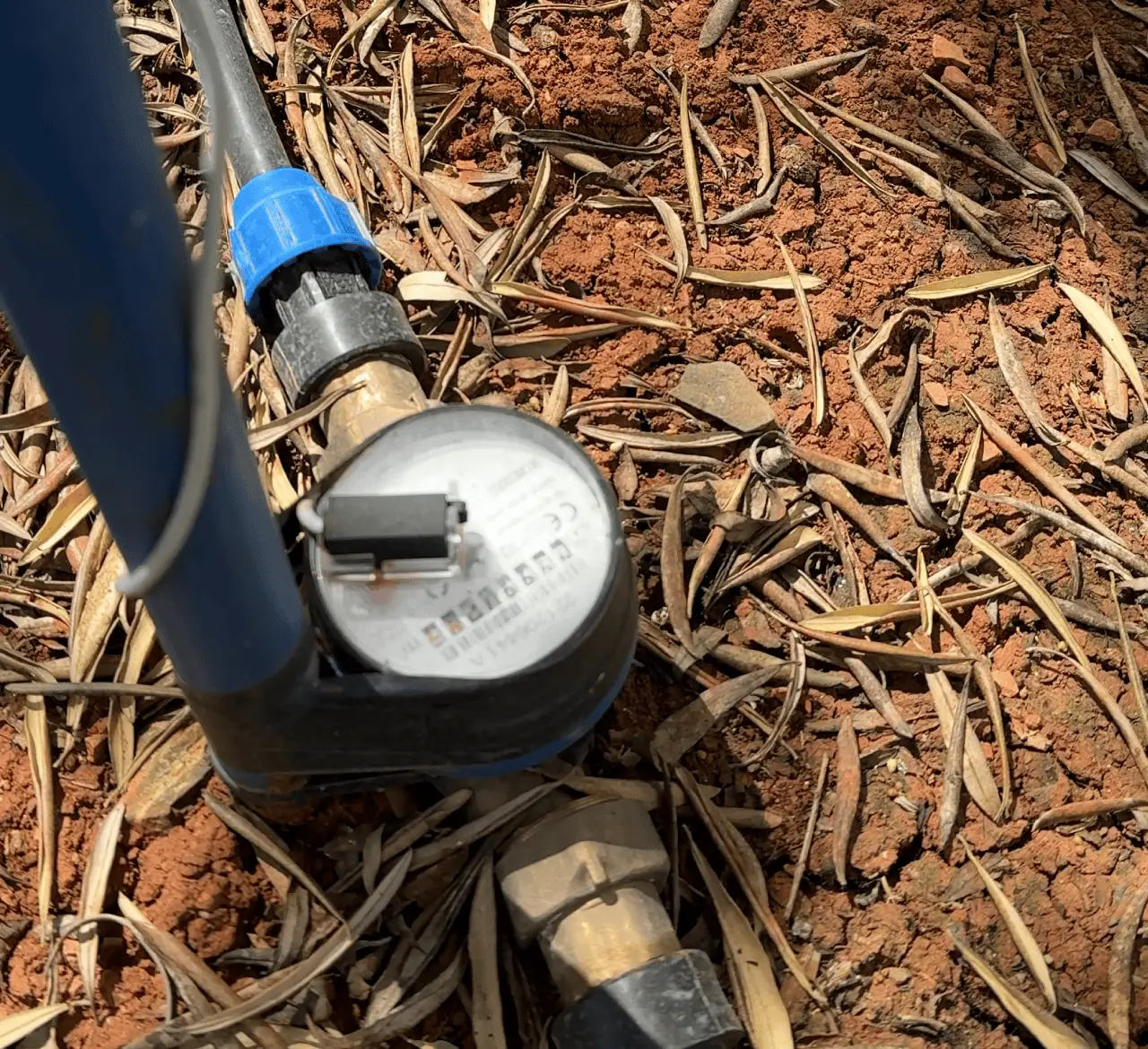
Flow meters
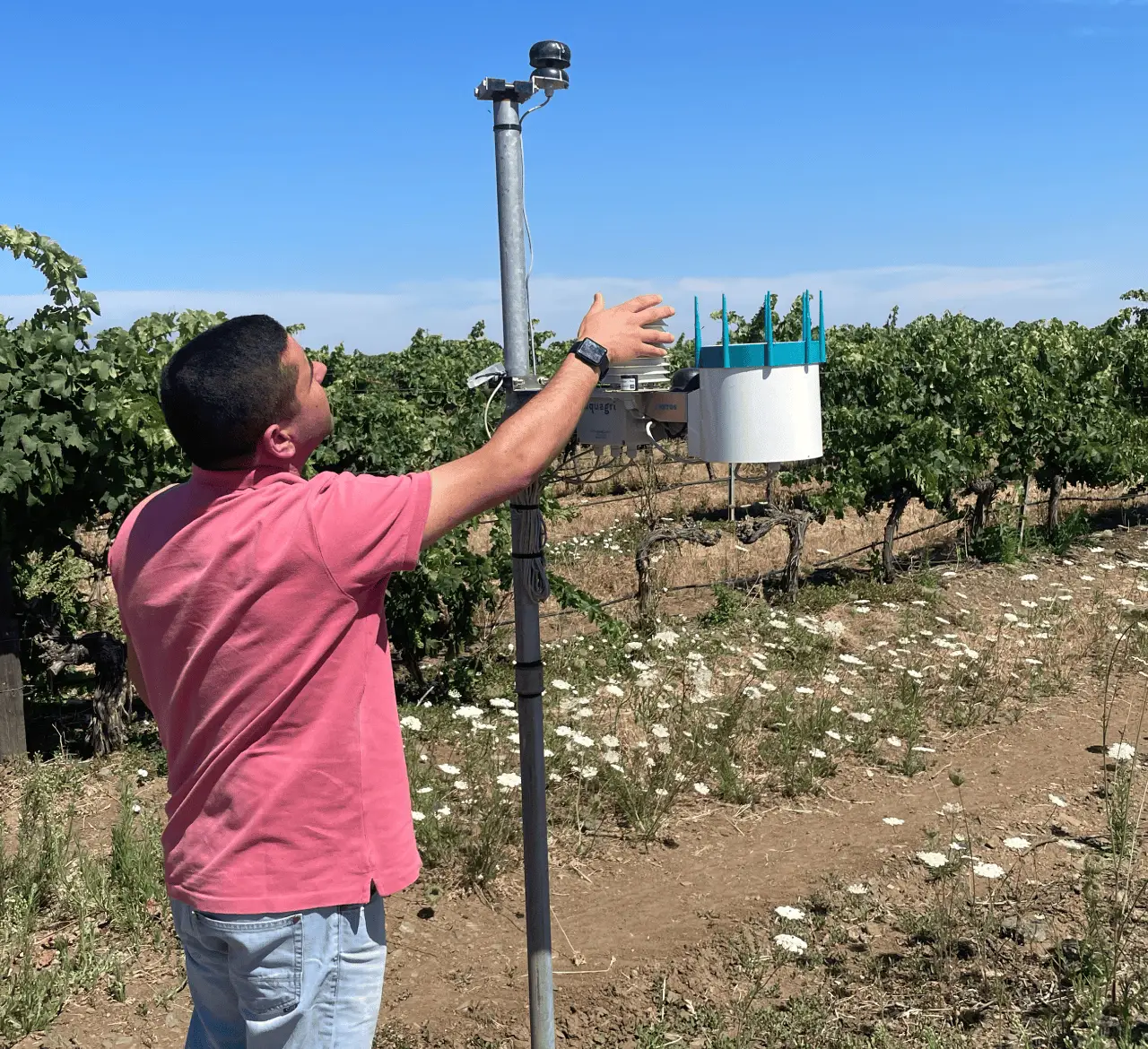
Weather Station
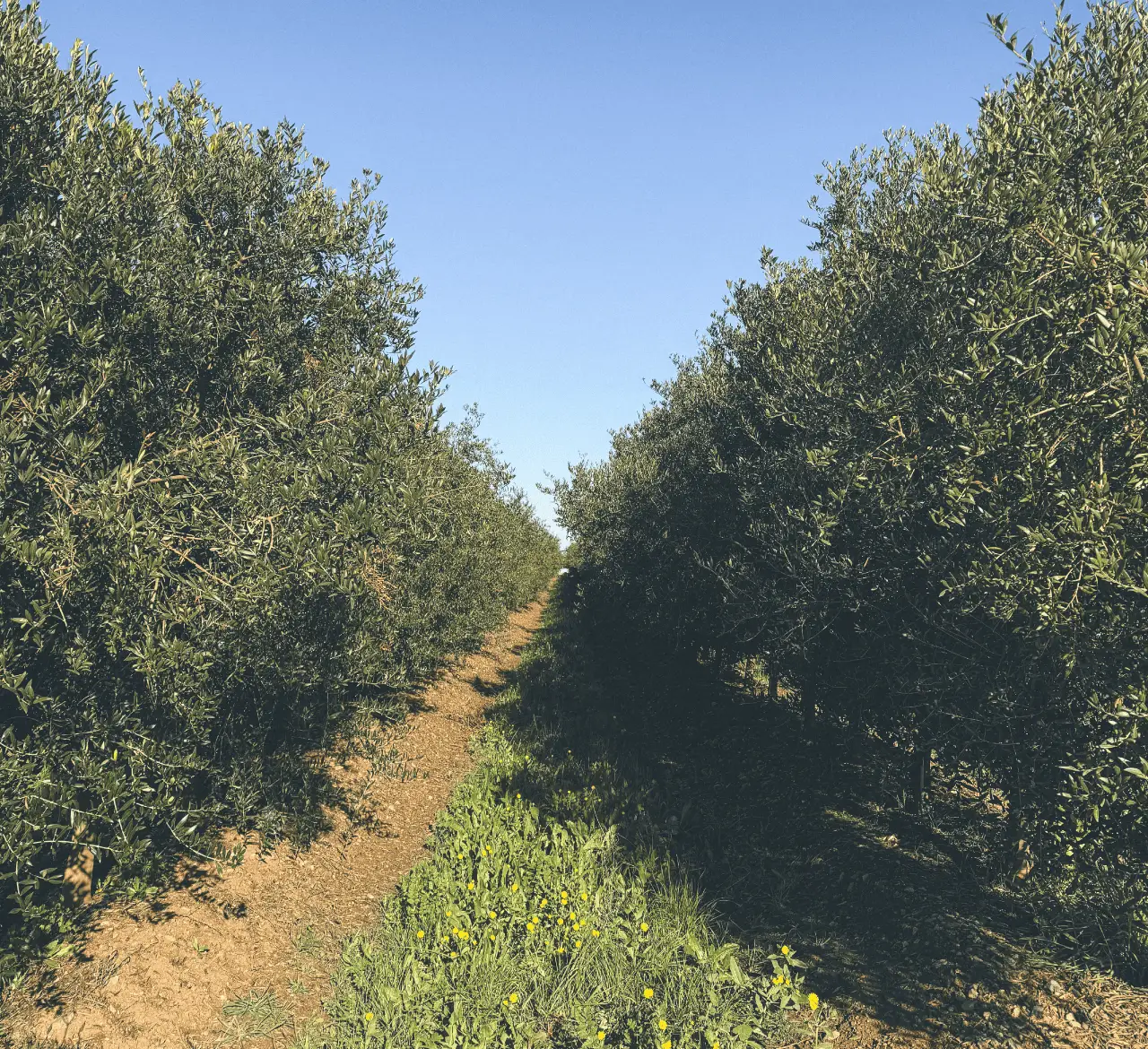
Hedge Olive Grove
Flow meters allow us to accurately measure the volumes of water used across the entire estate. This monitoring ensures greater control over consumption and supports responsible and efficient water resource management.
The continuous collection of climate data, such as temperature, rainfall, humidity and wind, supports decision-making in the field. This information allows us to adapt agricultural practices to real conditions, improving crop efficiency and resilience.
This agricultural model combines productivity with sustainability. Adapted to the region’s conditions, it contributes to the preservation of soil organic matter, carbon retention and the production of high-quality olive oils.
Flow meters
Flow meters allow us to accurately measure the volumes of water used across the entire estate. This monitoring ensures greater control over consumption and supports responsible and efficient water resource management.
Weather Station
The continuous collection of climate data, such as temperature, rainfall, humidity and wind, supports decision-making in the field. This information allows us to adapt agricultural practices to real conditions, improving crop efficiency and resilience.
Hedge Olive Grove
This agricultural model combines productivity with sustainability. Adapted to the region’s conditions, it contributes to the preservation of soil organic matter, carbon retention and the production of high-quality olive oils.
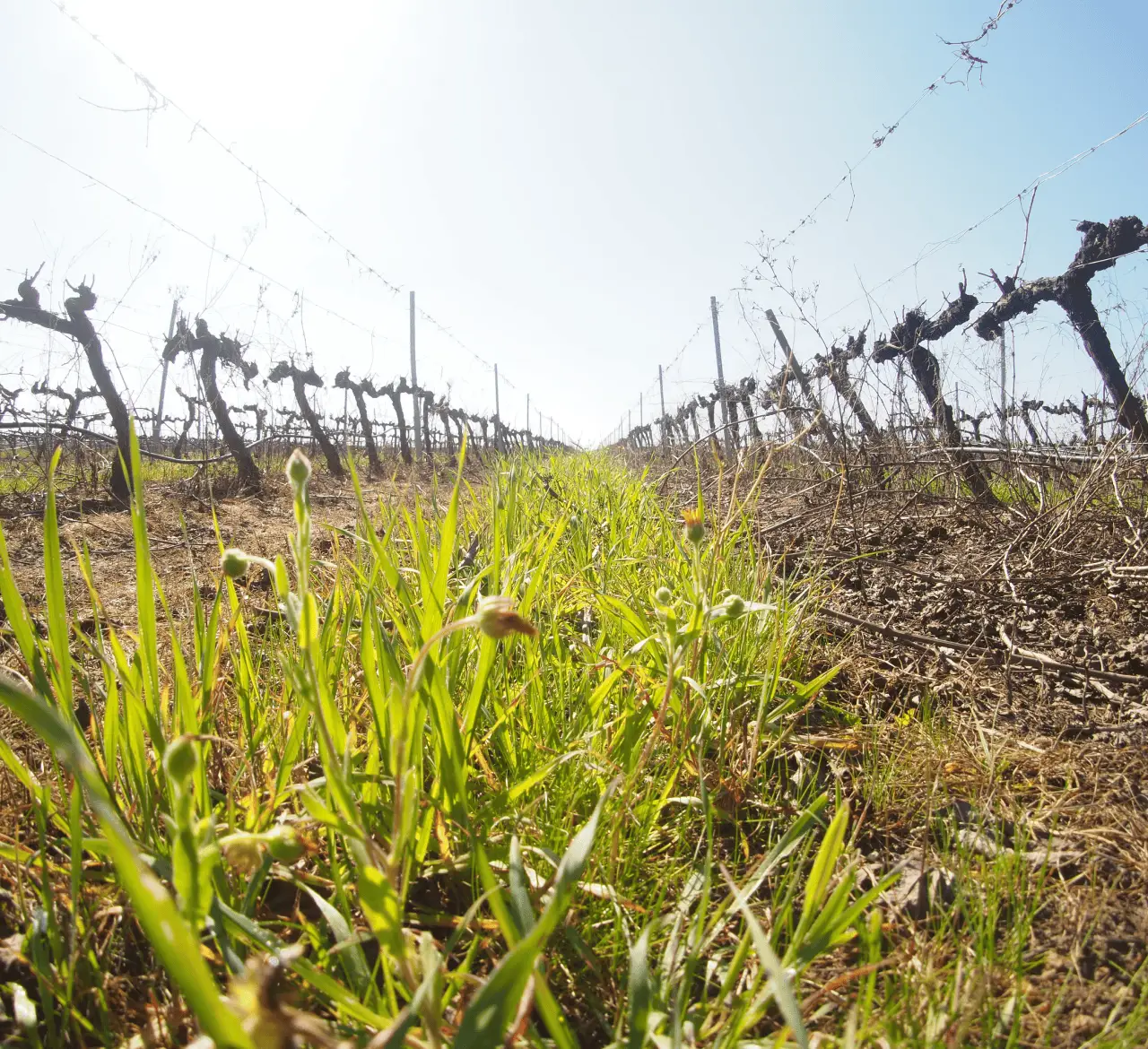
Cover Cropping
mulching
Biodiversity
Maintaining vegetation cover between crop rows protects the soil from erosion and promotes water infiltration. This practice contributes to the balance of the agricultural ecosystem and the preservation of natural resources.
Applying organic matter to the soil helps conserve moisture, protect against erosion and limit the growth of spontaneous weeds. Over time, this practice improves soil fertility and strengthens its productive capacity.
The integration of native tree species contributes to soil protection, landscape enhancement and the creation of natural habitats. By promoting ecological balance, this practice supports biodiversity and helps with the biological control of pests.
Cover Cropping
Maintaining vegetation cover between crop rows protects the soil from erosion and promotes water infiltration. This practice contributes to the balance of the agricultural ecosystem and the preservation of natural resources.
mulching
Applying organic matter to the soil helps conserve moisture, protect against erosion and limit the growth of spontaneous weeds. Over time, this practice improves soil fertility and strengthens its productive capacity.
Biodiversity
The integration of native tree species contributes to soil protection, landscape enhancement and the creation of natural habitats. By promoting ecological balance, this practice supports biodiversity and helps with the biological control of pests.